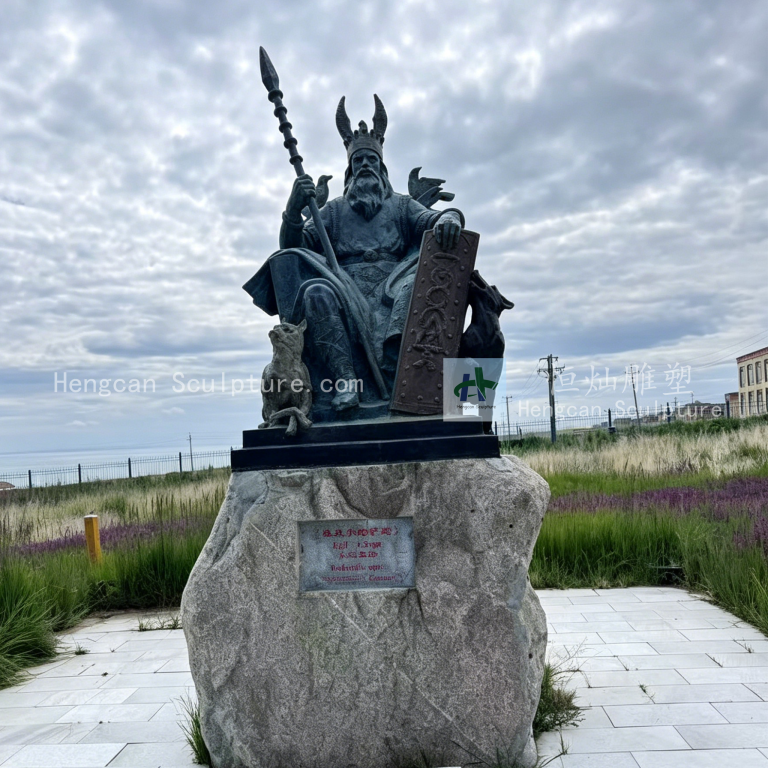
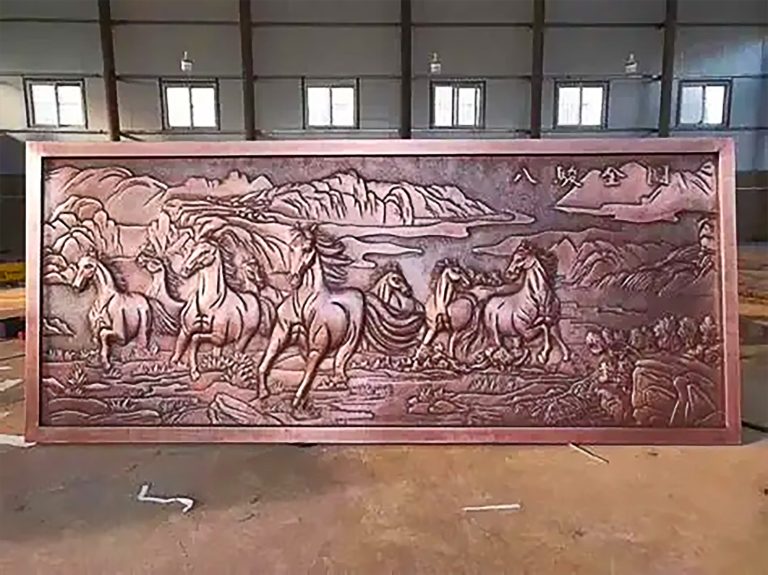
Forged copper sculptures catch people’s eye across city streets, public plazas and art spaces with their distinctive texture and artistic appeal. As the creators of these exquisite artworks, forged copper sculpture manufacturers hold an important position in the sculpture industry. They rely on superb craftsmanship, innovative design concepts and in-depth knowledge of copper properties to deliver outstanding pieces.
The core competitiveness of these manufacturers lies in their professional artisan teams. With years of learning and practice, the artisans master every procedure of forged copper craft. They interpret design drawings and turn two-dimensional plans into three-dimensional sculptures. Using hammers, chisels and other tools, they strike rhythmic undulations on copper plates. A plain copper sheet gradually comes alive in their hands. Every blow, in terms of force and angle, is carefully calculated to create accurate shapes and vivid details. When crafting figurative sculptures, artisans can precisely depict muscle lines and facial expressions, making figures seem to leap off the copper surface.
Design capability is another key strength. Most manufacturers maintain in-house design teams or cooperate with renowned artists and designers. By studying diverse cultural backgrounds, regional features and client requirements, they develop original design solutions. Their works embrace both abstract modern art and realistic traditional styles. For commemorative forged copper sculptures, designers focus on expressing historical and cultural connotations. Through unique composition and symbolic elements, they convey the spirit of historical events and figures to viewers.
Manufacturers follow strict standards for material selection and treatment, as copper quality directly determines the finished work. They adopt high-purity premium copper materials such as red copper. Prior to forging, copper undergoes pre-processing including cutting and annealing. Cutting ensures the copper plates meet dimensional requirements, while annealing enhances ductility for easier shaping during forging. Once forging is completed, the sculptures receive surface treatments like polishing and protective coating to prevent oxidation and corrosion.
Diversified production techniques are also a notable feature. Alongside traditional hand forging, modern digital technologies are widely applied. 3D modeling software enables designers to build precise digital models and revise designs repeatedly. Numerical control equipment then converts model data into processing instructions, automating partial workflows to boost efficiency and precision. Even so, hand forging remains irreplaceable, endowing sculptures with unique handcrafted texture and artistic warmth.
These manufacturers strike a balance between artistic creation and commercial operation. They commit to artistic innovation and the development of forged copper art, while actively undertaking commercial projects such as urban public sculptures and commercial interior decorations. Through effective communication and cooperation with clients, they integrate art with market demands, satisfying people’s pursuit of beauty and securing steady business growth.
Like magicians of art, forged copper sculpture manufacturers transform the ancient, textured copper material into stunning artworks via elaborate design and exquisite craftsmanship, endlessly beautifying our living environments.


Choosing a Cast Bronze Sculpture Company: How to Find the Right Art Carving Manufacturer

In modern society, art serves not only as a medium for personal expression, but also as an important embodiment of culture and aesthetics. As a classic art form, cast bronze sculptures have won growing popularity among people. If you are looking for a reliable cast bronze sculpture company to bring your artistic vision to life, this article shares practical tips to help you make a wise decision.

Appreciate the Charm of Cast Bronze Sculptures

First, let’s talk about cast bronze sculptures themselves. They are widely celebrated for outstanding durability, distinctive visual appeal and profound cultural connotations. Just imagine coming across a magnificent cast bronze sculpture in a park — you cannot help but stop and admire it. That is the timeless magic of art.

Clarify Your Requirements

Before selecting a manufacturer, you need to figure out your exact needs. Do you want a custom-made exclusive sculpture or a ready-made piece? What is your budget? What message or emotion do you intend the work to convey? With clear requirements, you can screen qualified manufacturers more efficiently.

Research the Company Background

Once your needs are defined, start researching potential companies. You can browse their official websites and social media pages, or even talk with their existing clients for more information. Review their portfolio to learn about their artistic styles and technical capabilities. Different manufacturers often specialize in distinct styles, so it is vital to pick one that matches your aesthetic preferences.

Focus on Craftsmanship and Materials

The quality and service life of cast bronze sculptures are closely linked to raw materials and production techniques. Inquire about the materials and casting processes they adopt. Find out if they employ experienced artists and craftsmen, and whether they use eco-friendly materials and techniques. These details will help you assess their professionalism.

Prioritize Effective Communication

Smooth communication is indispensable when partnering with a sculpture company. During consultations, check if the team is enthusiastic and professional, and if they can fully understand your ideas and demands. Good communication usually means the manufacturer is trustworthy.

Check Client Reviews and Project Cases

Nothing reflects a company’s real strength better than client feedback. Look through their reviews and completed projects. See if they have undertaken projects similar to yours, and learn about clients’ opinions on their works and services. All these references will guide you to make a sound choice.

Learn about After-sales Services

Purchasing a cast bronze sculpture is more than a simple transaction; follow-up maintenance and support also matter greatly. Be sure to confirm their after-sales policies. Do they provide maintenance and restoration services? Can they respond promptly and solve problems if the sculpture gets damaged?

Compare Pricing and Services

Manufacturers offer different pricing packages and service terms. Never focus merely on low prices; always take service quality and overall value into consideration. Some vendors may quote a lower price yet deliver unsatisfactory services. A comprehensive comparison of cost and services leads to the optimal choice.

Seek Recommendations and Check Reputation

It is also advisable to ask for recommendations from friends, colleagues or industry insiders. Their firsthand experience and comments are valuable references. After all, a good reputation is the best advertisement. A well-recommended manufacturer will save you plenty of time and effort.

Sign a Detailed Contract

Finally, once you decide to cooperate, sign a formal contract listing all terms clearly. The contract shall specify sculpture design, materials, construction period, pricing and after-sales services. A complete contract protects your legitimate rights and ensures the project proceeds smoothly.

Conclusion

Selecting a suitable cast bronze sculpture company is no easy task. Nevertheless, with clear requirements and thorough research, you will find the perfect art carving manufacturer. We hope this guide helps you avoid detours and realize your artistic dreams soon.


In modern society, sculptures are not merely symbols of art, but also the soul of spaces. Cast bronze sculptures, in particular, perfectly blend artistry and practicality thanks to their distinctive material and exquisite craftsmanship. From lifelike animal sculptures in parks to cultural memorials, they subtly shape our daily lives. Today, we will discuss the artistry and practicality of cast bronze sculptures, as well as the vital role that bronze sculpture manufacturers play in this industry.

The Artistry of Cast Bronze Sculptures

The artistry of cast bronze sculptures is first reflected in their appearance and expressive power. Picture stepping into an exhibition and being greeted by a tall, imposing bronze knight, whose armor glints with metallic luster under the sunlight. Its solemn and substantial presence commands instant admiration. Every detail is exquisitely crafted. The lines of the muscles and the expressions on the faces convey profound emotions, as if the artwork is engaging in a conversation with viewers.
You may wonder what sets the artistry of cast bronze sculptures apart from works made of other materials. Boasting excellent corrosion resistance and weatherability, bronze sculptures stay intact in all kinds of environments. What’s more, the warm tones of bronze strike a chord with people, bringing a sense of closeness while audiences appreciate the art.

The Practicality of Cast Bronze Sculptures

Nevertheless, the charm of cast bronze sculptures extends far beyond artistic expression. Their practical functions are equally remarkable. For instance, bronze sculptures in urban parks and public squares serve not only as art pieces but also as venues for social and cultural exchanges. People gather around them to chat, take photos or even hold small performances, which effectively strengthens community cohesion.
Cast bronze sculptures also hold an irreplaceable position in the commercial sector. Many sculpture manufacturers provide customized services for enterprises to help elevate brand image. A bronze sculpture embodying corporate values standing in front of a headquarters building can catch clients’ attention and foster a strong sense of belonging among employees. In this way, cast bronze sculptures achieve a win-win combination of artistry and practicality.

The Integration of Art and Function

How exactly do art and practicality blend with each other? We can start with the design phase. When creating cast bronze sculptures, artists need to take both aesthetics and functionality into account. For example, designers of park sculptures must prioritize safety and durability, factors that shape the overall structure and thematic expression of the works.
In addition, different manufacturers hold diverse design philosophies. Some focus on ingenious designs and innovative expressive techniques, while others put practicality first and strive for a balance between function and art. Such diversity makes the field full of possibilities, with every sculpture telling a unique story.

Future Development of Cast Bronze Sculptures

With the advancement of technology, cast bronze sculptures embrace a promising future. The application of 3D printing grants designers greater creative freedom and breaks the constraints of traditional design. In the future, bronze sculptures may no longer be static artworks. Interactive elements can be incorporated to engage audiences and enhance the overall experience.
As environmental awareness grows, many manufacturers are exploring sustainable materials and eco-friendly craftsmanship, aiming to pursue artistic creation while protecting the environment. This is not only a commitment to the planet, but also an active exploration for the future development of art.

Conclusion

To sum up, cast bronze sculptures are an art form that unites outstanding artistry and practical value. They beautify living spaces and play an important part in social interaction and brand promotion. Whether viewed as artworks or functional facilities, cast bronze sculptures keep breaking new ground. Throughout this journey, professional bronze sculpture manufacturers remain an indispensable driving force.


In the world of art, sculpture has long been a vital medium for expressing creativity and emotions. Today, we are going to talk about choosing between cast bronze sculptures and those made from other materials. Have you ever considered placing a sculpture in your home or office? You may wonder: are cast bronze sculptures superior to sculptures of other materials? Let’s take an in-depth look.

The Unique Charm of Cast Bronze Sculptures

Cast bronze sculptures are widely favored for their durability and timeless beauty. Imagine a bronze sculpture standing tall for decades, bearing the marks of time as if silently telling its own story. This material boasts excellent corrosion resistance and retains its appearance well under all kinds of weather conditions. Isn’t such remarkable durability truly appealing?
The craftsmanship behind cast bronze artworks is equally impressive. Most pieces are created using the lost-wax casting technique, a process that demands elaborate design and meticulous workmanship from artists. This sophisticated craft not only elevates the artistic value of the sculptures but also makes each piece truly one-of-a-kind. As a professional cast bronze sculpture manufacturer, we often receive high praise from clients for the exquisite details and fine craftsmanship of our works.

Advantages of Sculptures Made from Other Materials

Naturally, materials other than bronze each have their own merits. For instance, wood sculptures are loved by many for their warm texture and unique grain. As a natural material, wood brings a sense of warmth and closeness. Wood carvings can create a cozy atmosphere when placed in homes or gardens. However, wood is relatively fragile and vulnerable to insect infestation and decay — drawbacks that bronze sculptures do not have.
Stone sculptures convey a sense of solidity and eternity. They can feature extremely intricate details and a strong textural feel, yet their production process is highly complex and time-consuming. Would you wait months or even years just for a single stone sculpture? By contrast, cast bronze sculptures take far less time to produce, making them ideal for clients who wish to display artworks as soon as possible.

Price and Budget Considerations

Price is another essential factor when selecting sculpture materials. Cast bronze sculptures generally come with a higher price tag, due to their complicated production techniques and the relatively high cost of raw bronze. Nevertheless, considering their long service life and lasting value, such an investment is well worthwhile. Wood and stone sculptures are usually more budget-friendly, but you will have to compromise on durability and ongoing maintenance costs.

Matching Personal Style and Space

Your personal taste and indoor environment also play key roles in your decision. With both classic and modern appeal, cast bronze sculptures complement almost all interior styles. For a modern minimalist space, they add a distinctive artistic touch. If your home features a traditional style, wood sculptures may be a more harmonious match.
Have you ever thought that your choice depends not only on the artwork itself, but also on the surrounding environment and atmosphere? Bronze sculptures and those of other materials create entirely different visual effects in different spaces.

Maintenance

When it comes to upkeep, cast bronze sculptures stand out once again. Unlike wood sculptures, which easily absorb moisture and attract pests, bronze pieces require barely any maintenance. A simple clean is enough to keep them looking brand new. In comparison, wood and stone sculptures often need regular waxing or protective treatments, which adds to the maintenance workload.

Conclusion: Which One Will You Choose?

Cast bronze, wood and stone sculptures all have their own strengths. The final choice depends on your personal needs and space conditions. If you prioritize durability and artistic value, cast bronze is undoubtedly a wise option. If you prefer natural textures and lower costs, wood or stone sculptures may suit you better. Above all, whichever you pick, it should resonate with your living space.
If you are looking for a reliable cast bronze sculpture supplier, be sure to compare different options to find the perfect match. When it comes to art, always follow your heart.


Among various art forms, cast bronze sculptures are undeniably captivating. Quyang cast bronze sculptures, in particular, stand out in the art industry thanks to their exquisite craftsmanship and profound cultural heritage. Have you ever wondered what makes these artworks so extraordinary? Today, we will explore the unique charm of Quyang cast bronze sculptures and the role played by bronze sculpture manufacturers.

Profound Cultural Heritage

As a time-honored land, Quyang is renowned for its rich cultural accumulation and fine artistic traditions. Cast bronze sculptures are more than just art pieces — they are witnesses of history. Every work carries stories and memories from the past. Such cultural inheritance is especially precious in modern times. Art is not merely visual beauty, but also a spiritual resonance between hearts.

Exquisite Craftsmanship

Another highlight of Quyang cast bronze sculptures lies in their superb workmanship. Each piece goes through elaborate procedures from design and casting to post-polishing. Every step embodies the artisans’ wisdom and dedication. This pursuit of perfection is also the philosophy upheld by local bronze sculpture manufacturers. When you gaze at a vivid sculpture, you can truly feel the soul infused within it.

Distinctive Artistic Style

Quyang works distinguish themselves with a unique artistic style. Compared with cast bronze sculptures from other regions, they place greater emphasis on shape expression and detailed carving. This distinctive design language breathes vitality into every piece, never failing to impress viewers.

Diverse Themes

Quyang cast bronze sculptures feature a wide range of themes, covering traditional culture, modern art, myths, legends and social realities. This diversity appeals to audiences of all ages and aesthetic tastes, allowing more people to appreciate the beauty of bronze art. Art is no longer out of reach, but an integral part of daily life.

Market Prospects of Cast Bronze Sculptures

As art investment gains growing popularity, the market outlook for cast bronze sculptures becomes increasingly promising. Many manufacturers have expanded online sales channels and promoted their works to broader markets via digital tools. Gradually, cast bronze sculptures have stepped out of the art circle and entered ordinary people’s lives, bringing greater diversity to the future art market.

Integration of Art and Business

In the art industry, bronze sculpture manufacturers are not only creators of art but also pioneers in business operation. With sound marketing strategies and brand building, they perfectly combine art and commerce to achieve win-win results, filling people with anticipation for the future of the art sector.

Conclusion

To sum up, with profound cultural heritage, consummate craftsmanship and one-of-a-kind artistic style, Quyang cast bronze sculptures undoubtedly occupy a unique position in the art world. They are appealing both for artistic appreciation and collection investment. Local manufacturers have played an indispensable role throughout the development. The art world will become even more splendid with these remarkable cast bronze sculptures.

From Design to Installation: A Full Guide to the Production Process of Cast Bronze Sculptures

In today’s art world, cast bronze sculptures are widely cherished for their unique aesthetic appeal and enduring charm. Whether they are monumental artworks in parks or small decorative pieces for homes, these sculptures never fail to catch the eye and convey profound emotions. How exactly are cast bronze sculptures created? Today, we will take an in-depth look at their complete production process.

Step 1: Concept & Design

Every masterpiece starts with a creative idea. The design phase is the most critical stage of the entire production. Based on inspiration, themes and creative intentions, artists first draft preliminary sketches. A brand-new idea emerging in the mind is just like the first ray of spring sunshine brightening the soul. At this stage, bronze sculpture manufacturers work closely with artists to turn creative visions into practical solutions.
During the design process, artists take into account the placement environment, audience interaction and the emotions the work intends to express. Much like setting the scene for a story, every detail determines the final presentation of the sculpture.

Step 2: Model Making

Once the design is finalized, the team moves on to model production. Two mainstream methods are adopted: traditional hand sculpting and modern 3D printing. Hand sculpting infuses soul and emotion into every detail through manual craftsmanship, while 3D printing leverages technology to convert designs into precise 3D models efficiently.
Regardless of the method used, the model will be thoroughly polished to fully comply with design standards. Manufacturers then create high-precision molds based on the finished model to prepare for the casting procedure.

Step 3: Casting

Casting is one of the most spectacular stages. The process mainly includes copper melting, pouring, cooling and demolding. First, copper ingots are heated at extreme temperatures until they turn into molten liquid. The fusion of fire and metal is like a wonderful work of nature.
Workers carefully pour the molten copper into pre-made molds. This step demands superb skill, as any mishap may cause defects on the finished piece. After the copper cools and solidifies, the molds are removed, revealing the rough shape of the bronze sculpture.

Step 4: Post-processing & Polishing

Freshly cast sculptures often have imperfections such as air bubbles and impurities, making post-processing and polishing essential. Artisans meticulously grind and refine every part to achieve a smooth and elegant surface. This process adorns the artwork and makes it shine brilliantly.
Surface treatment is also vital. Artists can choose different finishes including polishing, patination and protective coating, which diversify the visual effects and enhance the sculpture’s durability.

Step 5: Installation & Display

The final stage is installation and display. It is not merely placing the sculpture in position, but also integrating the artwork harmoniously with its surroundings to deliver an immersive aesthetic experience. Manufacturers prioritize structural stability and safety during installation, ensuring the sculpture can stand the test of time.
Imagine a grand cast bronze sculpture standing in the heart of a park, set off by lush trees and blooming flowers. Its magnificent beauty is truly breathtaking, stopping passers-by to admire the glamour of art.

Conclusion

The whole process demonstrates the complexity and artistry behind cast bronze sculpture making. It requires not only exquisite craftsmanship, but also unique artistic vision and inspiration. If you are interested in cast bronze sculptures or plan to customize your own artwork, feel free to cooperate with professional bronze sculpture makers and embark on a wonderful artistic journey.