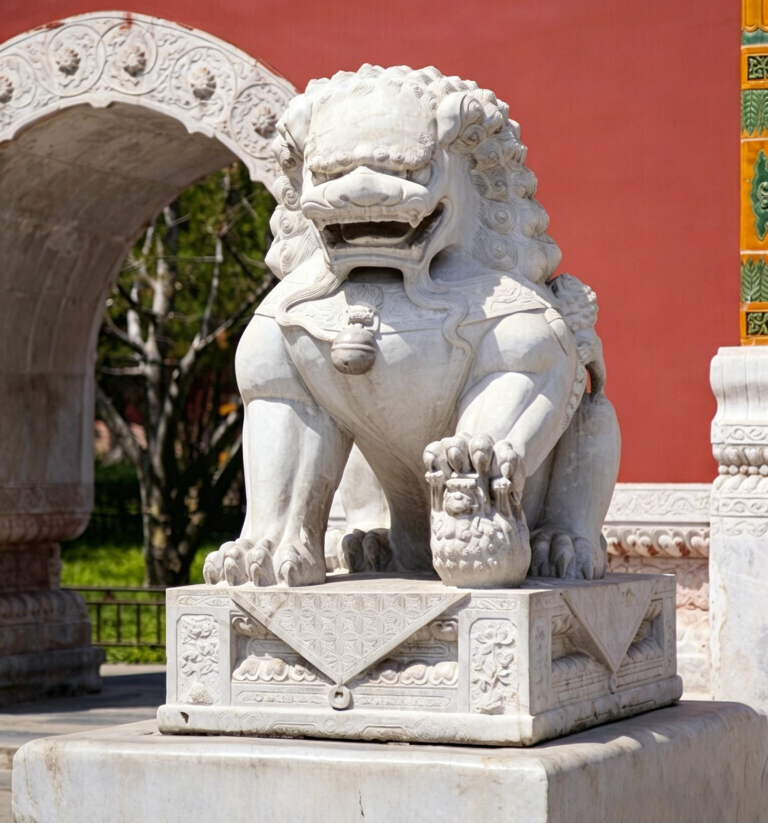
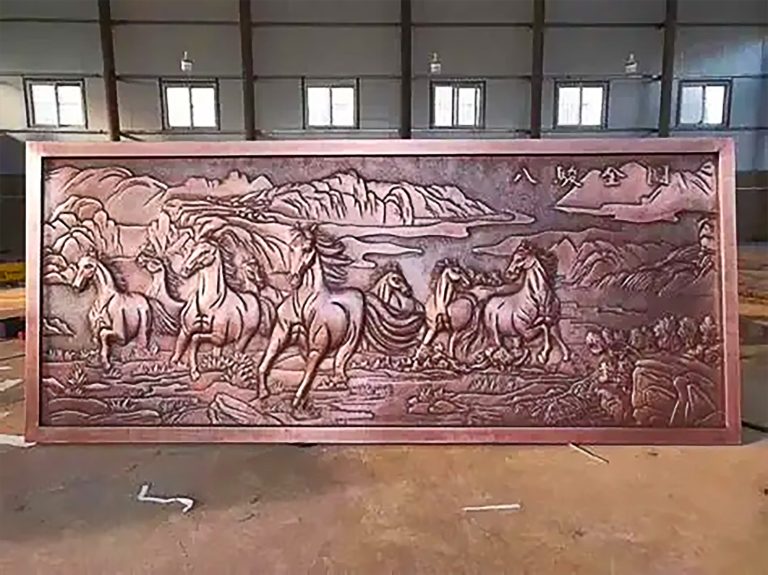
Gardens have long been a popular cultural landscape both in ancient and modern times, a testament to people’s deep love for garden art. As an indispensable part of garden art, garden stone carvings infuse the surroundings with a rich natural charm while endowing natural scenery with cultural and artistic features, perfectly embodying the harmony between humanity and nature.
Garden stone carvings generally refer to all stone sculptures placed in gardens. In today’s fast-paced world filled with mounting pressure, gardens — retreats close to nature that help people unwind — are widely cherished. Stone carvings play a vital role in garden layout and artistic appeal. On one hand, stone blends seamlessly with nature. On the other hand, elaborately carved stoneworks add profound cultural charm and great aesthetic value to gardens, bringing relaxation and joy to city dwellers.
There are several main types of materials used for garden stone carvings:
  1. Bluestone: It presents an antique and time-worn vibe, making it the ideal choice for carving ancient figures.
  2. Granite: The most commonly used stone for carving. With strong natural appeal, its ordinary texture allows it to integrate perfectly into garden landscapes.
  3. White Marble (Han Baiyu): A rare and precious stone with fine texture. Sculptures crafted from it boast extraordinary beauty.
  4. Henan Yellow Stone: A type of marble that exudes an air of nobility, mainly matched with corresponding architectural styles.

How to Choose Stone Flower Pots

Stone flower pots are crafted by combining manual work and machinery. The rough blank is shaped by hand first, then processed by machines to form the overall silhouette, while decorative patterns are finally carved manually.
As basin-shaped ornaments for landscape gardens and villa courtyards, stone flower pots stand out for their superior artistic appeal among all types. They are widely used in landscape greening, private gardens and residential community green spaces. Different natural stones are selected according to their application scenarios.
For outdoor architectural decorations exposed to wind, rain and sunlight all year round, granite is the ideal choice. It contains no carbonate, features low water absorption and outstanding weather resistance. Granite is also the top pick for hall floor cladding, thanks to its stable physical and chemical properties and high mechanical strength. For wall skirts and bedroom floors where load-bearing requirements are lower, marble with exquisite natural patterns is a preferred option.
A stone flower pot is a container for growing flowers, generally shaped like an inverted round or polygonal frustum — wider at the top and narrower at the bottom. These planters come in diverse styles and sizes. Gardeners may pick suitable pots based on the growth habits of flowers and the features of the containers. Classified by shape, there are round, square, hexagonal and other designs.
Size and height are also key factors in selection. An oversized pot will look awkward, just like a thin person wearing baggy clothes. More importantly, small plants in large pots have limited water absorption capacity. The soil will stay damp for a long time after watering, causing poor root respiration and root rot. Conversely, an undersized pot makes the plant look top-heavy and restricts root development.
Carving strokes are akin to brushwork in calligraphy and painting, serving to enhance and enrich the artistic appeal of works. Exquisite brushwork comes from consummate skill. Many people find brushwork the hardest part when copying a fine painting, for it is the fusion of an artist’s inspiration and technique, something that can never be fully replicated. Only by mastering skills and accumulating experience continuously can artisans develop a distinctive carving style of their own.
The artistic language of Quyang stone carvings — presented through wood grain and carving traces, smooth and textured surfaces, concave and convex planes, as well as the arrangement of round chisels and cutting with flat chisels — possesses a unique charm unmatched by sculptures made from other materials.
To be precise, Quyang stone carving is a process of gradual subtraction: artisans chip away excess material layer by layer from the outside to reveal the desired form. Throughout this reductive shaping process, one can not only relish the joy of creation, but also appreciate the unique charm brought by diverse carving techniques. Some unexpected details may even endow the works with fresh artistic conception. Therefore, the most meaningful exploration in Quyang stone carving art lies in skillfully applying various carving strokes to perfectly convey creative ideas.
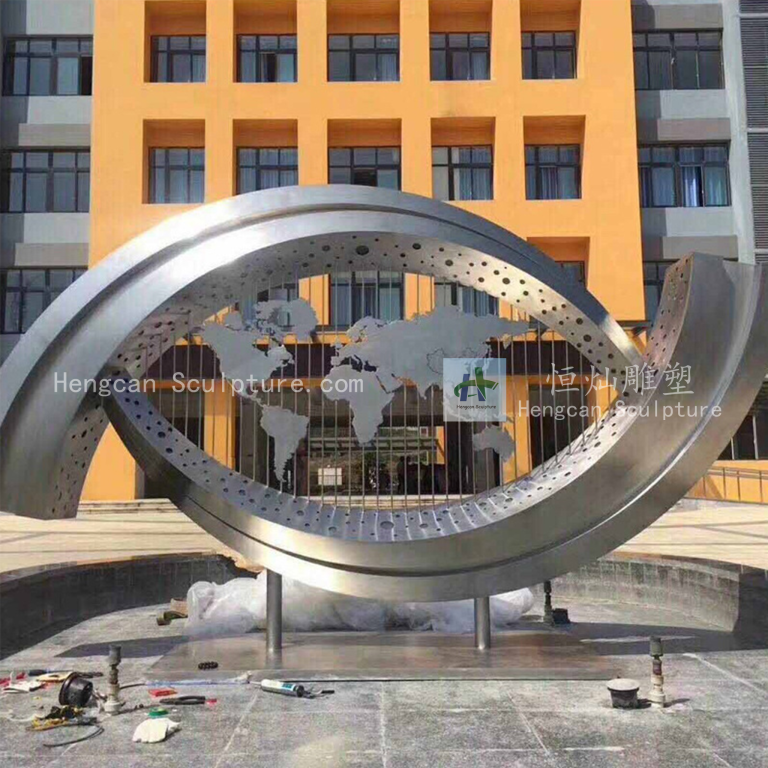
Stainless steel sculptures are an indispensable part of modern art and urban landscapes. Endowed with distinctive material charm, exquisite craftsmanship and diverse artistic expression, they have won wide acclaim and popularity. They serve not only as a medium for artists to convey creativity and emotions, but also as an important reflection of a city’s cultural taste and aesthetic standards.

Material Properties of Stainless Steel Sculptures

As a metal material featuring high strength, excellent corrosion resistance and easy workability, stainless steel opens up vast possibilities for sculptural creation. Its silvery luster sparkles in the sunlight, lending the artworks a sleek and elegant temperament. Meanwhile, its superior corrosion resistance allows sculptures to retain their original appearance for years without being damaged by the natural environment, effectively extending their service life.

Craftsmanship and Artistic Expression

Stainless steel sculptures undergo a variety of production processes, including forging, casting, welding, grinding and polishing. With superb skills, artists shape stainless steel plates and tubes into diverse forms. Whether abstract or figurative, these works fully showcase the unique appeal of the material. During forging, hammering and pressing create plastic deformation on stainless steel, generating rich textures and surface details. Welding enables precise assembly of individual components to build intricate sculptural structures.
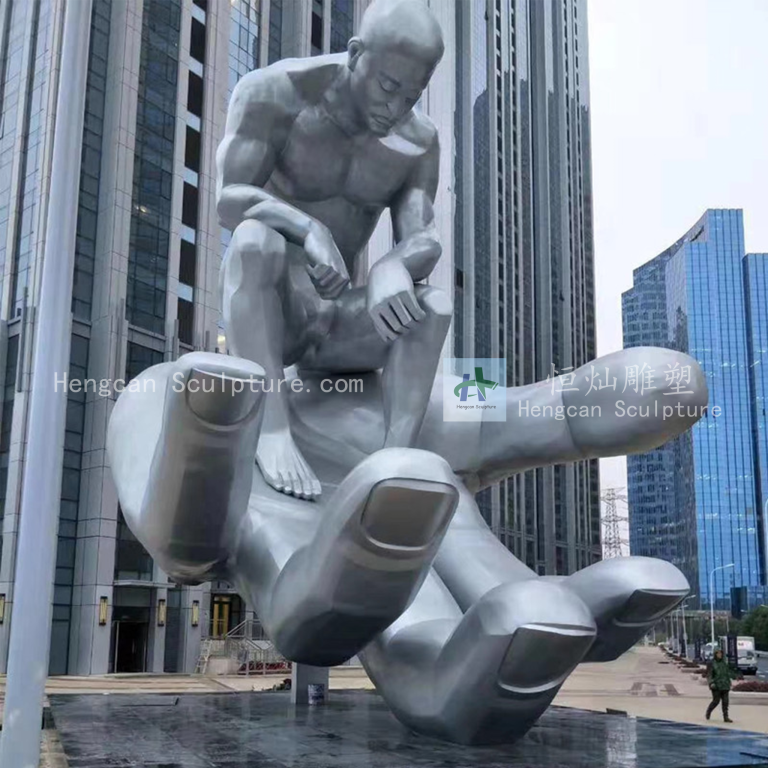
Boasting powerful artistic expressiveness, stainless steel sculptures convey creators’ intentions and emotions through forms, lines, colors and other elements. Some feature concise and flowing lines to shape abstract silhouettes, stirring boundless imagination among viewers. Others depict historical figures, animals or natural scenes in realistic styles, immersing people in a vivid artistic realm.

Application in Urban Landscapes

Stainless steel sculptures play a pivotal role in urban landscapes. They beautify the surroundings, elevate a city’s cultural charm, and can even evolve into iconic landmarks that attract visitors. In plazas, parks, streets and other public areas, their unique shapes and material glamour form striking scenic highlights. They also blend harmoniously with surrounding buildings and greenery, creating a cohesive and integrated urban vista.

Cultural Connotation and Aesthetic Value

Beyond practical value, stainless steel sculptures carry profound cultural connotations and aesthetic significance. They mirror the aesthetic trends and cultural pursuits of contemporary society, as well as artists’ unique perceptions and pursuit of beauty. Appreciating these works allows people to experience the allure and power of art, and cultivate their own aesthetic taste and cultural attainment.
With exceptional material appeal, sophisticated craftsmanship and versatile artistic expression, stainless steel sculptures stand as shining jewels in modern art and urban landscapes. They remain a vital medium for artists to express ideas and feelings, and a remarkable symbol of a city’s cultural refinement and aesthetic attainment.
Stainless steel sculpture is a prevalent art form in modern urban landscapes. Thanks to its distinctive material properties and versatile artistic expression, it plays a vital role in public spaces, architectural decoration and other fields.
Stainless steel boasts outstanding material advantages. It resists corrosion from mild agents such as air, steam and water, as well as chemical corrosives including acids, alkalis and salts, enabling sculptures to remain stable outdoors for a long time. Compared with traditional sculptural materials like cast bronze and stone, stainless steel is less prone to rust, easy to clean, wind-resistant and extremely durable. For instance, in coastal cities with high salinity in the air, sculptures crafted from 304 stainless steel deliver superior corrosion resistance and retain a neat and attractive appearance.
In terms of design, stainless steel features excellent malleability. It can be fashioned into geometric sculptures, round sculptures, abstract works and many other forms with rich and diverse themes. Designers can fully unleash their creativity to create distinctive artworks tailored to different themes and scenarios. A wide range of surface finishing techniques are also applied to stainless steel sculptures, including mirror polishing, wire drawing, spray painting and electroplating.
  • Mirror finishing adopts high-precision polishing to create a reflective surface that mirrors the surrounding scenery, generating unique light and shadow effects and strong visual impact.
  • Wire drawing forms uniform linear textures on the surface, delivering a delicate tactile feel and layered aesthetics to enrich artistic expression.
  • Spray painting diversifies color options while boosting weather resistance and corrosion protection.
  • Electroplating uses electrolysis to coat the surface with metals such as chromium, nickel and titanium, enhancing luster, wear resistance and anti-corrosion performance.
Stainless steel sculptures have extensive applications. For architectural decoration, they are widely used on the facades of modern buildings or as decorative accents at gateways, lobbies and other areas. They create striking contrasts with glass curtain walls and add depth to spaces. For environmental beautification, sculptures installed in urban parks, plazas and residential communities elevate the overall environment, bringing visual delight and spiritual comfort to people. Some large-scale pieces even serve as city landmarks, drawing public attention and boosting urban popularity.
Indoors, small stainless steel sculptures are popular home decorations that liven up living spaces and cultivate a cultural ambiance. They are also displayed in hotel lobbies and offices for presentation and branding. Beyond artistic uses, the material serves industrial purposes too, such as manufacturing elevator handrails, pipe supports and mechanical casings, as well as bridge railings, monuments and outdoor furniture.
With superior material performance, diverse design possibilities and wide-ranging applications, stainless steel sculptures have become an indispensable part of modern urban landscapes. They infuse cities with artistic charm, meet functional demands of various settings, and perfectly integrate art with practicality.
As an important part of modern urban landscapes, stainless steel sculptures have become indispensable artistic elements in public spaces, thanks to their unique material properties, diverse artistic expression and outstanding durability.

I. Material Properties: A Perfect Blend of Durability and Aesthetics

The core strengths of stainless steel sculptures lie in their material advantages. Stainless steel resists weak corrosive substances such as air, steam and water, as well as chemical erosion from acids, alkalis and salts. It remains stable even in extreme environments. For coastal cities with high salinity in the air, sculptures made of ordinary materials are prone to corrosion, while stainless steel works retain their luster and integrity for years.
In addition, stainless steel features high strength and light weight, which facilitates transportation and installation. It also supports complex structural designs, fully realizing artists’ creative visions for various shapes and forms.

II. Artistic Expression: Endless Possibilities from Abstract to Figurative

Stainless steel boasts versatile artistic expression. Diverse visual effects can be achieved through different surface treatments and shaping techniques.
Mirror Finish
 
High-precision polishing creates a mirror-like surface that reflects the surrounding scenery and produces unique light and shadow interactions. This technique boosts visual impact and enhances the interactivity of artworks.
Wire Drawing
 
Uniform linear textures are formed on the surface via manual or mechanical wire drawing. It delivers a delicate touch and distinct layers, greatly enriching the texture and artistic appeal of sculptures.
Spray Painting & Electroplating
 
Special coatings or metal plating (chromium, nickel, titanium, etc.) add rich colors to stainless steel. These treatments improve weather resistance and corrosion resistance, while presenting varied metallic textures.

III. Application Scenarios: Versatile Decorations for Urban Spaces

Widely adopted in urban parks, plazas, commercial centers and residential areas, stainless steel sculptures serve as vital carriers for environmental beautification and cultural inheritance.
Urban Landmarks
 
Many cities adopt stainless steel sculptures — including large abstract works and animal figures — as iconic landmarks, showcasing modern vibes and profound cultural heritage.
Garden Landscapes
 
In gardens, stainless steel sculptures blend harmoniously with natural surroundings, acting as visual highlights and creating a strong artistic atmosphere.
Commercial Spaces
 
In shopping malls, hotels and other commercial venues, their distinctive shapes and metallic luster elevate space quality and attract public attention.

IV. Maintenance: Keep the Works Beautiful for Long-term Use

Stainless steel sculptures require relatively simple upkeep, yet regular maintenance is still necessary. Clean the surface periodically. Avoid metal polishes or highly corrosive detergents, which may damage the finish. Gently wipe dirt in gaps with damp cotton swabs. It is also recommended to apply microcrystalline wax once a year to restore luster and extend service life.
With superior material performance, diverse artistic expression and wide application, stainless steel sculptures are essential artistic elements in modern urban spaces. They beautify environments, spread culture and endow cities with exclusive charm.
As an indispensable artistic medium in modern urban landscapes, stainless steel sculptures have become iconic symbols of aesthetics in public spaces, thanks to their unique material properties and diverse artistic expressiveness. From urban plazas and commercial centers to cultural landmarks and private collections, their excellent weather resistance, formability and modern style have redefined the boundaries of outdoor art.

I. Material Properties: Dual Advantages of Durability and Artistry

The core strengths of stainless steel sculptures derive from the physical and chemical characteristics of the material. Mainstream grades such as 304 and 316 stainless steel contain alloying elements including chromium and nickel, which form a dense protective oxide film. This grants the material outstanding resistance to acid, alkali and high-temperature oxidation. Test results show that under simulated extreme weather conditions, premium stainless steel has a corrosion rate below 0.01 millimeters per year, with a service life of over 50 years. Such superior durability cuts maintenance costs effectively and enables the sculptures to retain their silvery metallic luster or vibrant colored coatings for decades.
The material’s superb formability unlocks endless possibilities for artistic creation. With processes like laser cutting, forging and welding, stainless steel sheets can be processed into ultra-thin plates as thin as 0.5 mm or shaped into streamlined curved surfaces. For sculptures finished with 8K mirror polishing, the surface roughness reaches Ra 0.01 μm, which reflects surrounding light and scenery dynamically to deliver vivid visual effects. Surface treatments such as wire drawing and sandblasting further create delicate textures and distinct layered appearances.

II. Artistic Expression: Diverse Creations from Figurative to Abstract Styles

Stainless steel sculptures feature two major artistic expressions: figurative realism and abstract art. For figurative works, precise shaping and detailed carving endow sculptures with strong narrative power. For example, figurative sculptures in urban plazas utilize the reflective quality of mirror stainless steel to blend visitors’ silhouettes with the artworks, blurring the line between art and reality. In abstract creation, the industrial texture of stainless steel complements geometric shapes perfectly. Forms such as hollow spheres and twisted curved surfaces echo modernist aesthetics and reinterpret spatial relationships.

III. Application Scenarios: Integration of Public and Private Spaces

Stainless steel sculptures are now widely used across diverse settings. In the field of public art, large-scale urban sculptures serve as visual symbols of regional culture. Standing over 10 meters tall, abstract works with streamlined contours and mirror surfaces blend urban skylines with natural scenery, attracting tens of thousands of visitors every day. In commercial spaces, medium and small-sized sculptures act as brand symbols or interior decorations. Hollow animal sculptures placed in shopping mall atriums elevate the overall ambiance and bring interactive fun to customers.
Demand for stainless steel artworks is also rising rapidly in the private collection market. Artists integrate personalized design with exquisite handcraftsmanship. Small sculptures made via lost-wax casting retain subtle texture traces from molds, making each piece a unique artwork. Beyond decorative value, these pieces serve as cultural symbols that reflect collectors’ artistic taste.
Stainless steel sculptures enjoy great popularity thanks to the inherent properties of the material. Boasting high strength and excellent corrosion resistance, they can remain intact outdoors for decades. They stand firm against wind, rain, intense sunlight and complex urban air pollution. Unlike traditional stone sculptures, they require minimal protection to withstand the test of time. For instance, stainless steel sculptures situated on seaside plazas retain their original luster and shape year-round, even when constantly exposed to sea wind and salt erosion.
From an artistic perspective, stainless steel offers immense creative freedom. It features outstanding workability and can be shaped into intricate and unique forms via forging, welding, polishing and other techniques. Artists can turn bold imaginations into tangible works in abstract, realistic, surreal and many other styles. Large abstract stainless steel sculptures, with sleek lines and distinctive silhouettes, deliver striking visual impact and inspire boundless imagination. Like mysterious objects from the future, they communicate silently with viewers through a unique artistic language.
Stainless steel sculptures are a vital part of urban landscape construction. As important carriers of urban culture, they reflect a city’s history, traditions and spiritual ethos. A creative stainless steel sculpture can become a city landmark, attracting numerous tourists and boosting local fame and cultural appeal. For industrial cities, large stainless steel sculptures depicting labor scenes or industrial elements highlight local industrial characteristics and serve as iconic cultural symbols.
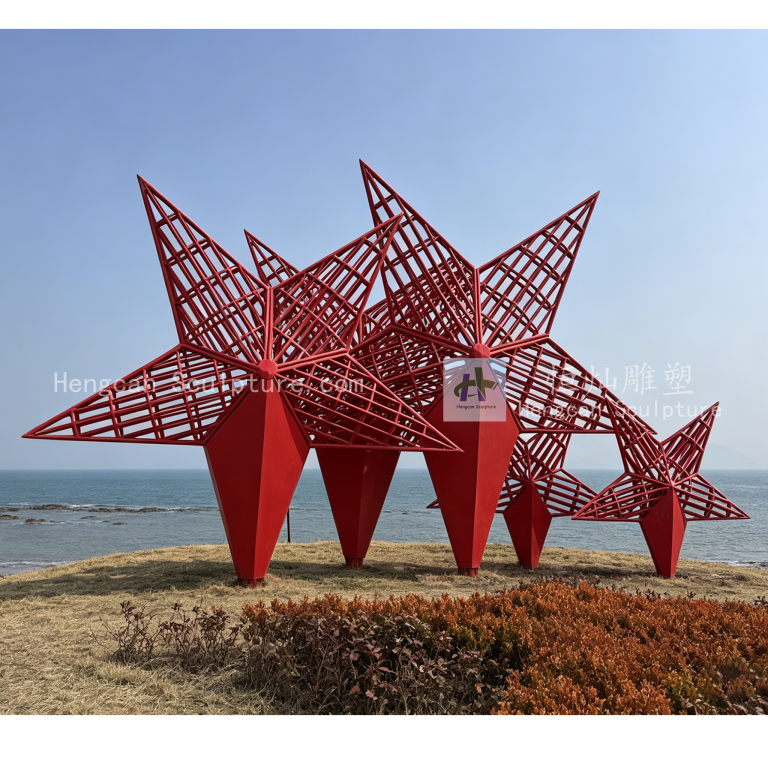
Color further adds to the artistic charm of stainless steel sculptures. While the material naturally presents a silvery metallic tone, various hues can be applied through professional surface treatment. Colored stainless steel works blend harmoniously with surroundings or create sharp contrasts, greatly enhancing visual effects. In a park full of greenery, a brightly colored stainless steel sculpture stands out as a focal point, bringing vitality and dynamism to the landscape.
Stainless steel sculpture art keeps evolving and innovating in modern times. Advances in technology have given rise to new craftsmanship and design concepts. The application of 3D printing enables the easy fabrication of complex structures that were once difficult to create. Meanwhile, eco-friendly ideas are being integrated into production, such as the use of recyclable stainless steel and environmentally friendly surface treatment processes.


In the diverse realm of modern art, forged copper sculptures stand out for their distinctive texture and artistic allure. Behind these masterpieces, forged copper sculpture manufacturers serve as the vital force that turns artistic ideas into tangible, exquisite artworks.
Such manufacturers are home to a team of highly skilled artisans. As inheritors and innovators of forged copper craft, these craftsmen know the properties of copper like the back of their hands. Boasting excellent ductility, copper can be shaped into diverse forms during forging. Starting with a plain copper sheet, artisans use hammers and other tools to gradually bring their envisioned images to life through repeated striking. This process demands great patience and skill, for every blow — in terms of force and angle — holds unique craftsmanship.
A reputable forged copper sculpture manufacturer follows standardized and rigorous production procedures. At the design stage, close communication with artists and clients is essential. Whether it is abstract modern art or realistic traditional styles, all concepts are accurately converted into executable design drawings. Next comes material selection, as premium copper is the foundation of high-quality sculptures. No detail can be overlooked throughout forging, from rough shaping to fine finishing. Rough processing focuses on forming the overall silhouette, where the rhythmic hammering sounds like drumbeats heralding the birth of a sculpture. The finishing stage centers on intricate detailing, such as facial expressions and clothing textures on figurative pieces.
These manufacturers also drive artistic innovation. Instead of sticking to conventional production modes, they actively explore new expressive approaches. For instance, they combine traditional forged copper techniques with modern technology to create interactive sculptures. They also pioneer innovative color treatments, breaking the limits of copper’s natural hue.
Furthermore, they undertake the mission of cultural inheritance. Forged copper craft boasts a long-standing heritage rooted in ancient cultures. By creating sculptures rich in cultural connotations, manufacturers carry forward traditional elements, including pieces themed on myths and local folk customs.
In terms of the market, manufacturers cater to varied demands. Some clients commission large-scale works for public spaces such as urban plazas and parks, which require striking visual impact. Others seek pieces for private collections, calling for superior craftsmanship and uniqueness.
Acting as a bridge between art and craftsmanship, forged copper sculpture manufacturers transform raw copper into stunning artworks with their diligence and ingenuity. These pieces display their unique charm across city streets, art galleries and private collections alike.


Forged copper sculptures captivate people with their distinctive texture and artistic charm across urban streets, public plazas and various art venues. As the creators of these exquisite artworks, forged copper sculpture manufacturers hold a prominent position in the sculpture industry. They excel with consummate craftsmanship, innovative design concepts and profound expertise in copper properties.
A professional team of artisans forms the core competitiveness of these manufacturers. Through long-term learning and practice, the craftsmen have fully mastered every step of the forged copper technique. They interpret design blueprints and transform two-dimensional drafts into three-dimensional sculptures. With hammers, chisels and other tools, they create rhythmic undulations on copper sheets. A plain copper plate gradually comes to life under their hands. Every strike, controlled by precise force and angle, shapes accurate contours and vivid details. When crafting figurative works, artisans can vividly depict muscle lines and facial expressions, making the figures appear to leap off the copper surface.
Strong design capability is another essential strength. Most manufacturers maintain in-house design teams or collaborate with renowned artists and designers. By researching diverse cultural backgrounds, regional features and client demands, they deliver bespoke design solutions. Their works cover abstract modern art as well as realistic traditional styles. For commemorative forged copper sculptures, designers focus on interpreting historical and cultural connotations. With unique compositions and symbolic elements, they present historical events and carry forward the spirit of remarkable figures.
Manufacturers adhere to strict standards for material selection and processing, as the quality of copper directly determines the finish of sculptures. They adopt high-purity premium copper materials such as red copper. Before forging, copper undergoes pre-treatment including cutting and annealing. Cutting ensures the copper plates meet precise dimensional requirements, while annealing improves ductility for easier shaping during forging. After forging, the sculptures go through surface treatments like polishing and protective coating to guard against oxidation and corrosion.
Diversified production techniques are also a major feature. In addition to traditional hand forging, modern digital technologies are widely adopted. 3D modeling software helps build accurate digital prototypes for repeated revision and optimization. Numerical control devices convert model data into processing commands, enabling automated production for certain procedures to boost efficiency and precision. Nevertheless, hand forging remains irreplaceable, endowing each piece with unique handcrafted texture and artistic warmth.
These manufacturers strike a fine balance between artistic creation and commercial operation. They commit to artistic innovation and the development of forged copper art, while undertaking commercial projects including urban public sculptures and commercial space decorations. Through effective communication and cooperation with clients, they integrate art with market demands, satisfying people’s pursuit of beauty and achieving sustainable business growth.
Like master artists, forged copper sculpture manufacturers turn the age-old, textural copper into breathtaking artworks via elaborate design and exquisite craftsmanship, bringing enduring artistic beauty to our living spaces.