Carving strokes are akin to brushwork in calligraphy and painting, serving to enhance and enrich the artistic appeal of works. Exquisite brushwork comes from consummate skill. Many people find brushwork the hardest part when copying a fine painting, for it is the fusion of an artist’s inspiration and technique, something that can never be fully replicated. Only by mastering skills and accumulating experience continuously can artisans develop a distinctive carving style of their own.
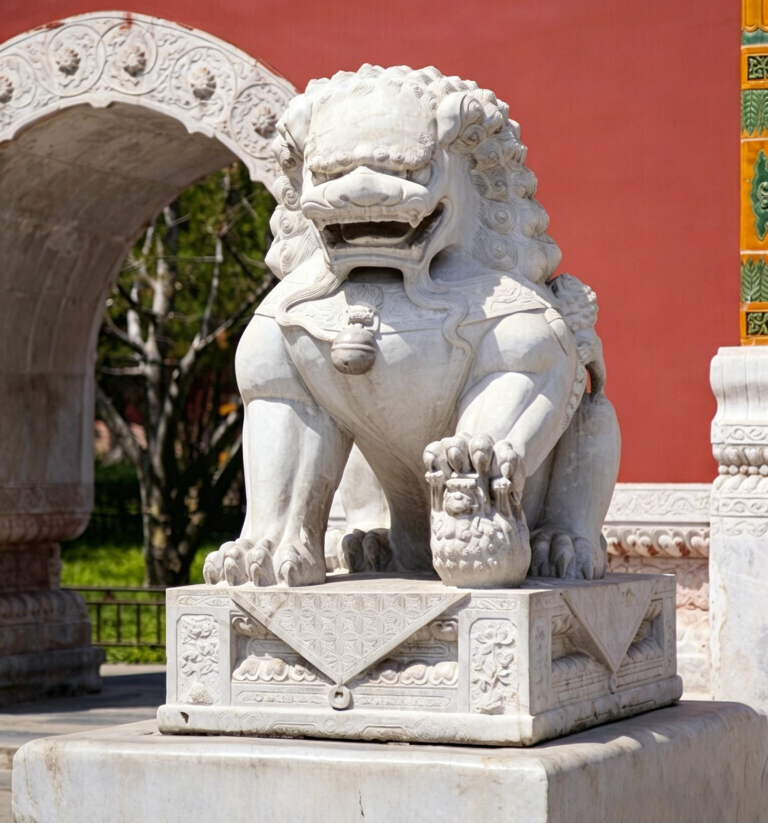
The artistic language of Quyang stone carvings — presented through wood grain and carving traces, smooth and textured surfaces, concave and convex planes, as well as the arrangement of round chisels and cutting with flat chisels — possesses a unique charm unmatched by sculptures made from other materials.
To be precise, Quyang stone carving is a process of gradual subtraction: artisans chip away excess material layer by layer from the outside to reveal the desired form. Throughout this reductive shaping process, one can not only relish the joy of creation, but also appreciate the unique charm brought by diverse carving techniques. Some unexpected details may even endow the works with fresh artistic conception. Therefore, the most meaningful exploration in Quyang stone carving art lies in skillfully applying various carving strokes to perfectly convey creative ideas.